Network Survey Vehicle (NSV)

Network Survey Vehicle (NSV) testing is a high-speed, automated pavement evaluation method used to assess the overall condition of road networks. Using advanced laser profilers, high-resolution cameras, and GPS-based positioning systems, NSV captures continuous data on surface distress, cracking patterns, rutting depth, and pavement roughness.
This method enables authorities and engineers to evaluate long road stretches efficiently, identify deterioration trends, and prioritize maintenance activities based on actual field data. NSV surveys provide a comprehensive visual and numerical record of pavement health.
By combining precise measurements with geo-referenced imagery, NSV testing ensures accurate decision-making for rehabilitation strategies and performance-based maintenance programs.
Key Features
- High speed data collection
- Surface distress mapping
- Rutting & cracking detection
- GPS based location tracking
Equipment Used
- Laser profilers
- High resolution cameras
- GPS sensors
Falling Weight Deflectometer (FWD)
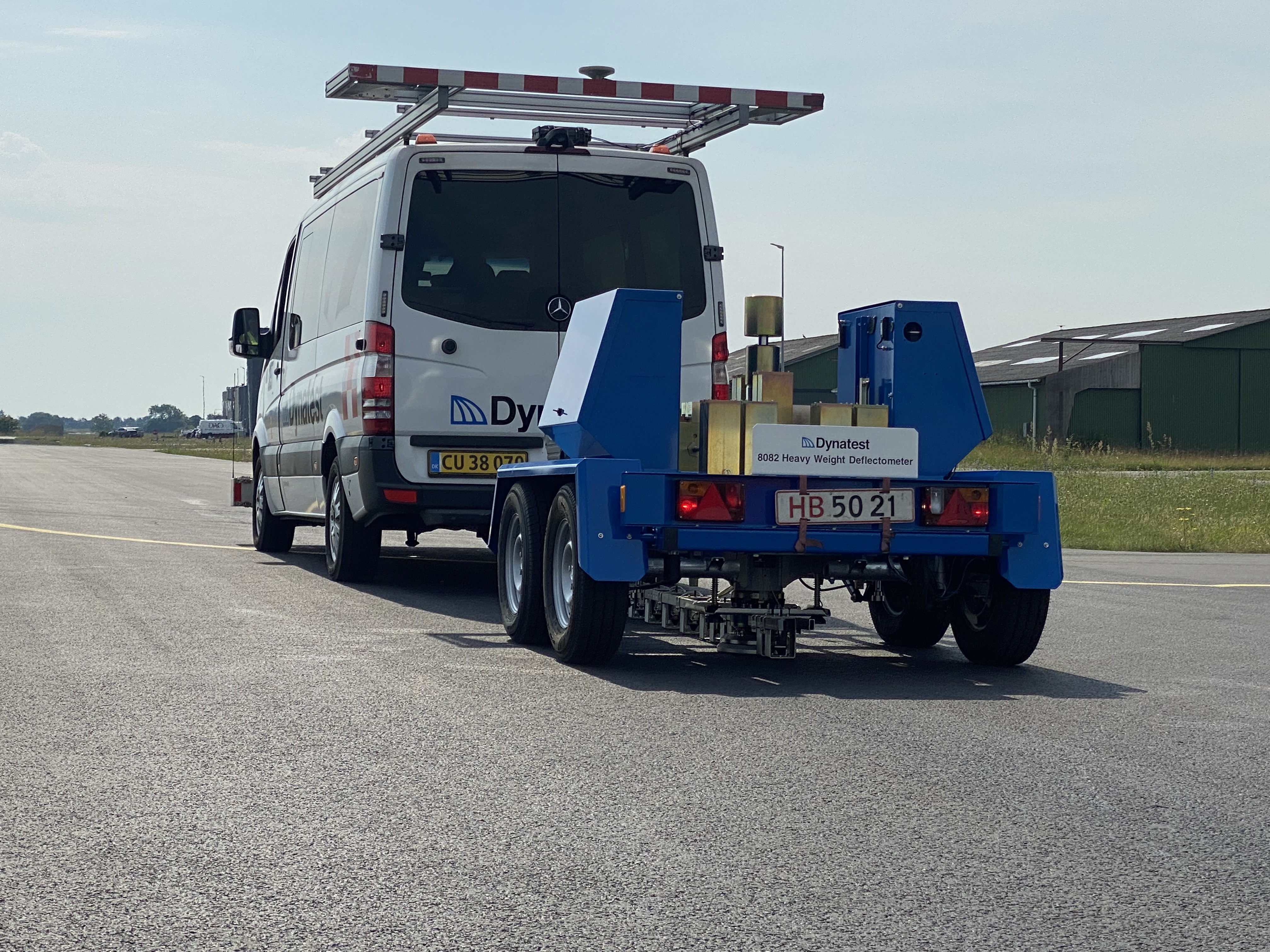
Falling Weight Deflectometer (FWD) testing is a widely accepted non-destructive method to evaluate the structural capacity of pavements. The equipment simulates real traffic loads by dropping a known weight onto the pavement surface and measuring the resulting deflection response through multiple sensors.
This deflection data helps engineers assess the stiffness of pavement layers, identify weak zones, and estimate remaining service life. FWD testing plays a critical role in overlay design, rehabilitation planning, and strengthening strategies for flexible and rigid pavements.
The results provide valuable insights into load-carrying capacity, fatigue performance, and structural adequacy, ensuring safe and cost-effective pavement design solutions.
Key Features
- Layer stiffness evaluation
- Remaining pavement life assessment
- Structural capacity analysis
- Overlay design support
Equipment Used
- Dynatest FWD system
- Deflection sensors
- Load cell & data logger
Traffic Survey

Traffic surveys are conducted to analyze vehicle movement patterns, traffic volume, and axle load distribution on highways and urban roads. These surveys include classified traffic counts, turning movement studies, and peak hour analysis to understand road usage trends.
The collected data helps in pavement design, capacity planning, congestion management, and future infrastructure development. Both manual and automated methods are used to ensure accurate vehicle classification and volume estimation.
Traffic survey results are essential for designing new roads, widening projects, safety improvements, and performance evaluation of existing networks.
Key Features
- Manual & automated traffic counting
- Vehicle classification
- Peak hour analysis
- Turning movement studies
Equipment Used
- Video recording cameras
- Pneumatic tube counters
- Traffic analysis software
MIT Dowel Bar Scanner

MIT Dowel Bar Scanner is a non-destructive testing technique used to locate dowel bars embedded in concrete pavements and assess their alignment, depth, and spacing. Proper alignment of dowel bars is crucial for load transfer efficiency across pavement joints.
The scanner uses magnetic sensing technology to generate detailed profiles of dowel positions without damaging the pavement surface. This allows engineers to identify misalignment, corrosion risk, and construction defects at an early stage.
The results help improve pavement performance, reduce joint failures, and extend service life by ensuring compliance with construction standards.
Key Features
- Accurate dowel location
- Depth & alignment measurement
- Non-destructive scanning
- Data visualization reports
Equipment Used
- MIT Scan T3 device
- Magnetic sensors
- Data acquisition system
Skid Resistance Testing
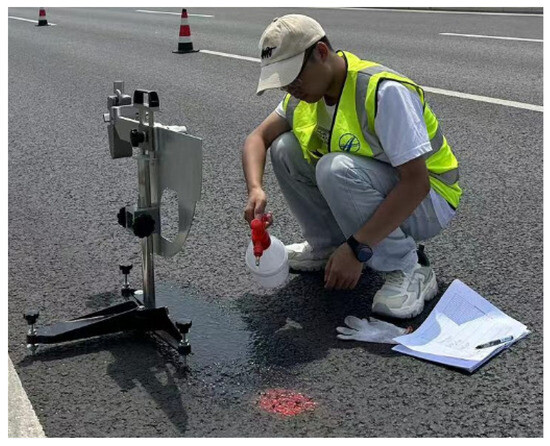
Skid resistance testing evaluates the frictional properties of pavement surfaces, which directly affect vehicle braking performance and road safety. The test measures the resistance offered by the road surface under wet conditions to simulate real driving scenarios.
This assessment is critical for identifying accident-prone zones, sharp curves, intersections, and high-speed corridors where adequate surface friction is essential. Skid resistance values help determine whether surface treatments or rehabilitation measures are required.
The test ensures compliance with safety standards and contributes to accident reduction strategies by improving pavement grip characteristics.
Key Features
- Wet surface friction measurement
- Accident risk analysis
- Surface texture evaluation
- Safety compliance reporting
Equipment Used
- Skid resistance tester
- Water spray system
- Digital friction meter
BBD / Bump Integrator
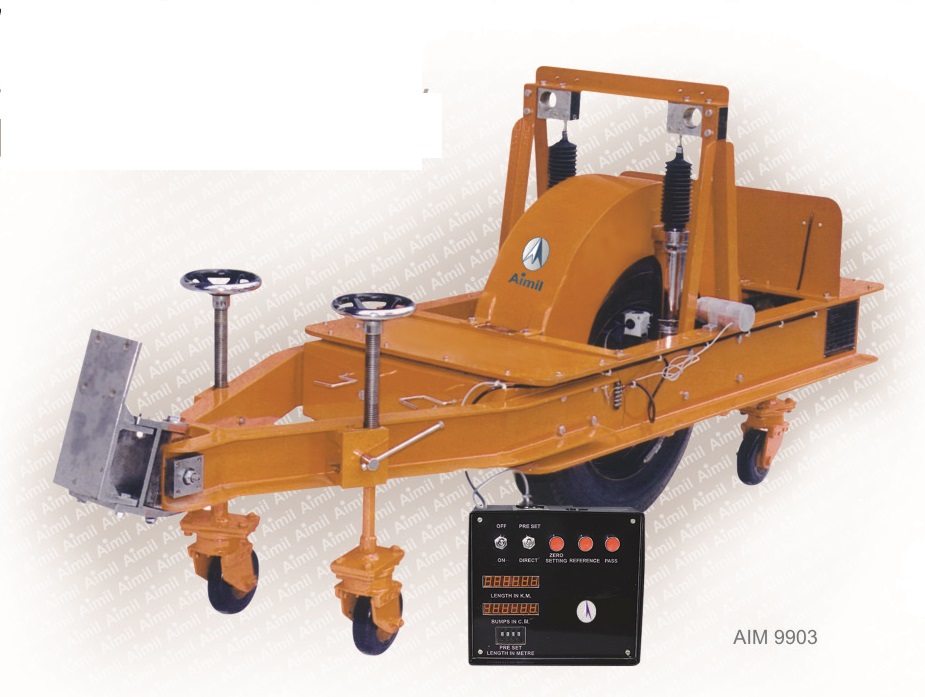
BBD (Bump Integrator) testing is used to measure pavement unevenness and riding quality by recording vertical movements of a vehicle while traveling along the road. This method helps assess surface irregularities and overall comfort experienced by road users.
The results are expressed in terms of roughness values, which indicate pavement condition and maintenance needs. BBD testing is widely used for routine monitoring, quality control during construction, and maintenance planning.
It provides a cost-effective way to identify deteriorated road sections and prioritize rehabilitation works.
Key Features
- Ride quality assessment
- Surface unevenness measurement
- Road condition grading
- Maintenance planning support
Equipment Used
- Bump Integrator device
- Vehicle mounted sensors
- Distance measuring unit
International Roughness Index (IRI)
International Roughness Index (IRI) is a globally recognized parameter used to quantify road surface roughness. It measures the longitudinal profile of pavement to evaluate ride quality and user comfort.
High-precision laser profilers collect continuous profile data, which is processed to generate IRI values. These values are used to compare pavement performance across different road sections and benchmark against standard criteria.
IRI measurement is essential for pavement management systems, performance monitoring, and maintenance prioritization, ensuring optimal ride quality and safety.
Key Features
- High precision roughness measurement
- Road quality grading
- Performance benchmarking
- Pavement monitoring
Equipment Used
- Laser roughness profiler
- GPS survey system
- Data processing software
Retro Reflectometer

Retro reflectometer testing evaluates the visibility and reflectivity of road markings, especially under night-time driving conditions. It measures how well road markings reflect vehicle headlights back to the driver.
Adequate reflectivity is critical for lane discipline, driver guidance, and accident prevention, particularly in low-light and rainy conditions. The test helps determine the durability and performance of marking materials over time.
This assessment ensures compliance with road safety standards and supports maintenance planning for re-marking operations.
Key Features
- Night visibility evaluation
- Marking brightness measurement
- Reflectivity deterioration analysis
- Safety compliance check
Equipment Used
- Handheld retro reflectometer
- Calibration standards
- Data storage unit